CALL US

by Admin
December 12, 2025 05:52 AM
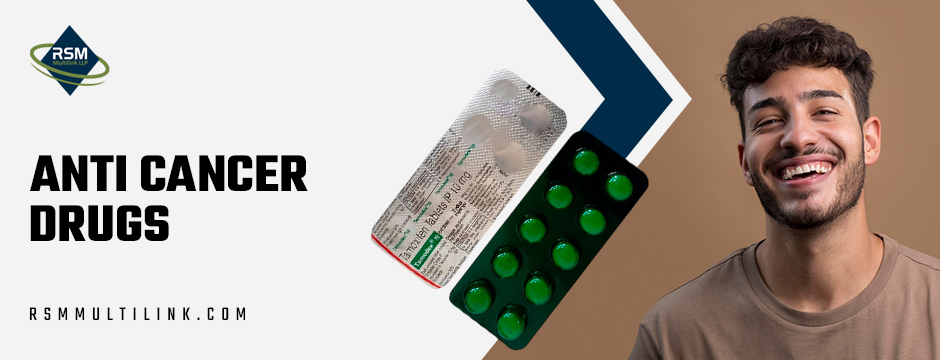
Cancer is one of the most complex health challenges of our time, affecting millions of people worldwide across different age groups and lifestyles. Although the word “cancer” often sounds overwhelming, advances in medical science have dramatically improved how it is treated and managed. One of the biggest breakthroughs in oncology has been the development of anti-cancer drugs, which are designed to slow down, stop, or destroy cancer cells while preserving healthy tissues as much as possible.
Anti Cancer Drugs are not a one-size-fits-all solution. Different cancers behave differently, and modern oncology uses a wide range of medications tailored to cancer type, stage, genetic makeup, and patient health. From traditional chemotherapy to cutting-edge targeted therapies and immunotherapies, these drugs play a crucial role in improving survival rates and quality of life for patients. In this blog, we’ll explore the main types of anti-cancer drugs, their uses, and how they fight cancer cells, explained in clear, easy-to-understand language.
These drugs target cells that divide rapidly—a defining feature of cancer cells.
How they work: Chemotherapy damages the DNA or cellular machinery of cancer cells, preventing them from dividing and surviving.
Common uses:
Limitations: Because chemotherapy can also affect healthy fast-dividing cells (like hair follicles and bone marrow), side effects such as hair loss, fatigue, and nausea may occur.
Targeted therapies are designed to attack specific molecules or pathways involved in cancer cell growth.
How they work: These drugs block proteins or genes that cancer cells rely on, making them more precise than chemotherapy.
Common uses:
Key advantage: Less damage to healthy cells and generally fewer side effects compared to traditional chemotherapy.
How they work: Immunotherapy drugs remove these disguises or boost immune activity so immune cells can recognise and destroy cancer.
Common uses:
Notable benefit: In some patients, immunotherapy provides long-lasting responses even after treatment ends.
How they work: These drugs block hormone production or prevent hormones from attaching to cancer cells.
Common uses:
Important note: Hormone therapy slows cancer growth rather than killing cells outright, making it effective for long-term disease control.
Cancer tumours need new blood vessels to grow. Anti-angiogenic drugs stop this process.
How they work: They block signals that promote blood vessel formation, essentially “starving” tumours of oxygen and nutrients.
Common uses:
Despite the name, these drugs are not used to fight infections.
How they work: They interfere with cancer cell DNA replication, preventing cell division.
Common uses:
Gene therapy is an emerging and highly advanced approach in Anti Cancer Drugs that focuses on correcting or modifying faulty genes responsible for cancer development.
How they work: These therapies introduce new genetic material into cancer cells or alter existing genes to:
Common uses:
Why it matters: Gene therapy offers a highly personalised treatment option, targeting cancer at its genetic root rather than just controlling symptoms or tumour size.
Anti-cancer drugs fight cancer through several key mechanisms:
Cancer cells grow uncontrollably. Many drugs interrupt the cell cycle, halting division and triggering cell death.
Some drugs directly damage cancer DNA, making it impossible for cells to replicate or repair themselves.
Targeted therapies cut off chemical signals that tell cancer cells to grow and survive.
Immunotherapy helps immune cells recognise cancer as a threat and attack it effectively.
Anti-angiogenic drugs prevent tumours from forming the blood vessels needed for growth.
In most modern treatment plans, multiple anti-cancer drugs are used together. This approach:
For example, chemotherapy may be combined with targeted therapy or immunotherapy for better results.
Side effects vary depending on drug type, dosage, and individual response. Common effects include:
Doctors closely monitor patients and adjust treatment plans to balance effectiveness with quality of life. Supportive medications and lifestyle adjustments also help manage side effects.
End Notes
Anti Cancer Drugs have revolutionised the way cancer is treated, offering hope, longer survival, and better quality of life for millions of patients. From traditional chemotherapy to precision-driven targeted therapies and immune-based treatments, each drug type plays a crucial role in fighting cancer at the cellular level. With ongoing research and innovation, cancer treatment continues to become more effective, personalised, and patient-friendly.
For reliable access to a wide range of anti-cancer products, trusted sourcing is essential. To explore high-quality anti-cancer drugs and formulations, visit RSM Multilink LLP.